The Oura Ring is not best understood as jewelry that happens to count activity. It is a subscription service delivered through a sensor worn on the finger. That distinction changes the value calculation. The hardware price gets the ring into the household; the membership determines how much of its information remains useful over time.
Anyone considering Oura should therefore judge three things together: whether a ring is comfortable enough to wear consistently, whether the sleep and recovery presentation leads to useful decisions, and whether the recurring fee still feels reasonable after the novelty of scores has faded.
The Membership Is Part of the Product
Oura’s current membership documentation says an active plan unlocks detailed sleep analysis, continuous heart-rate information, temperature trends, blood-oxygen sensing on compatible hardware, stress and resilience features, reports and integrations. Without an active membership, owners of newer generations see a much narrower view: the three daily scores for Readiness, Activity and Sleep, along with basic device information and app content.
That means the meaningful comparison is not ring price versus another tracker’s price. It is ring plus several years of membership versus the full cost of an alternative. In the United States, Oura currently lists monthly and annual membership pricing on its support page; rates vary by region and can change. Multiply the live annual price by the number of years you expect to keep the device.
The membership is tied to the account rather than the physical ring. Buying another ring for the same account does not repeatedly create a new free period. There is no ordinary lifetime-membership option, and the plan cannot simply be paused. These details matter for someone who expects to wear the ring only during training blocks or a few months each year.
Fit Is a Data Issue, Not Merely a Style Issue
Oura uses its own whole-number sizes, and sizing differs across hardware generations. The company recommends using the correct sizing kit and wearing a sample for at least 24 hours. That wait is sensible. Fingers change with temperature, sleep, exercise, travel and salt intake.
A ring that feels perfect at noon can become intrusive overnight. One that is comfortably loose may lose consistent sensor contact. Oura recommends a snug fit and commonly suggests the index finger, while noting that other fingers can work when contact remains secure.
Do not order from a standard jewelry size alone, and do not use an old-generation sizing kit for a new model. If choosing between sizes, follow the current manufacturer guidance but pay attention to the knuckle as well as the base of the finger. A ring must be removable safely, not only sit tightly during sleep.
Sleep Tracking Is the Strongest Use Case
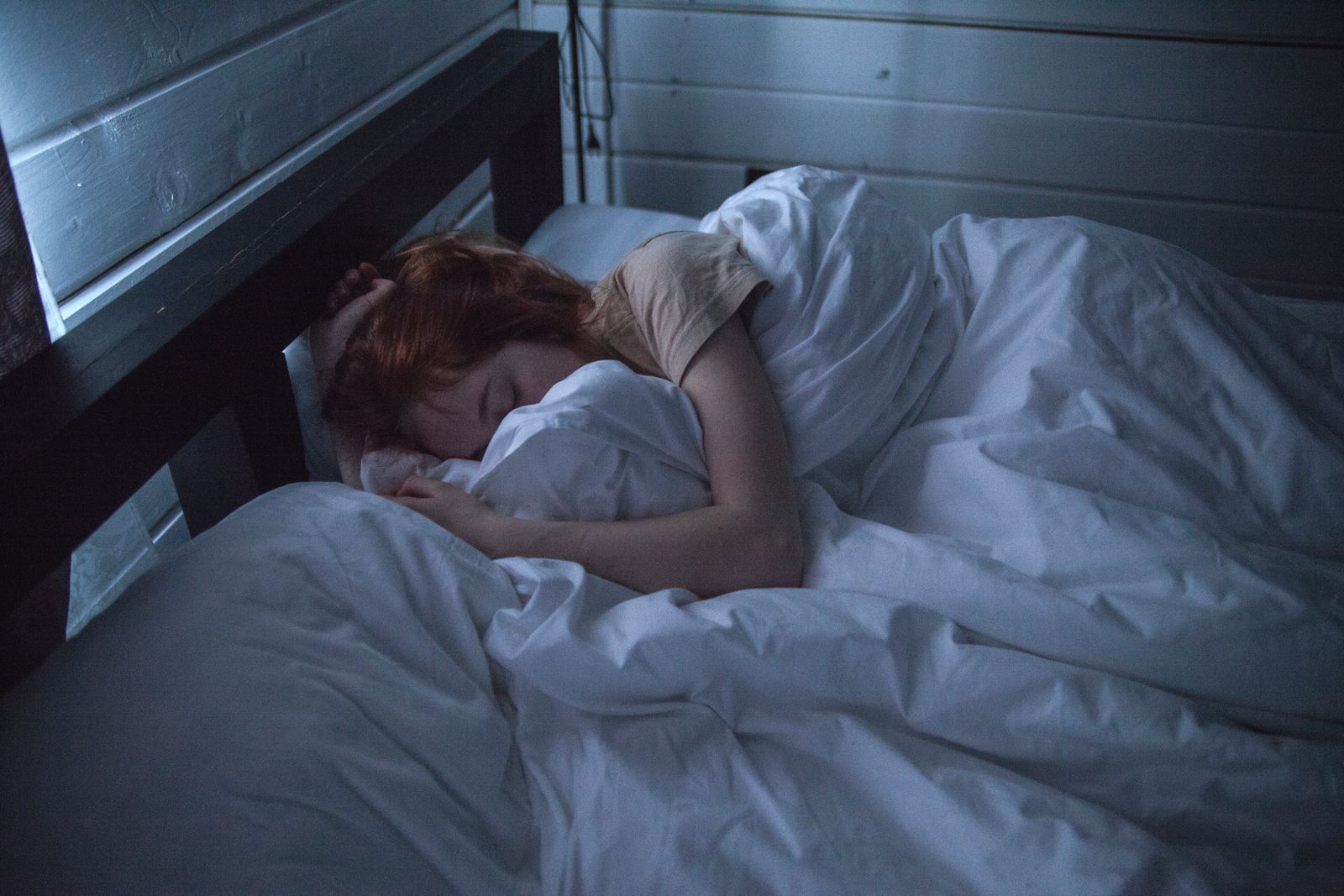
A ring is easier to sleep in than a watch for many people. There is no bright screen on the wrist, and the form does not encourage bedtime notifications. Oura’s presentation also emphasizes patterns—sleep timing, resting heart rate, temperature variation and recovery—rather than asking the wearer to interpret raw sensor charts alone.
The benefit is behavioral when the information changes a choice. A regular late bedtime becomes harder to dismiss when it appears as a repeated pattern. An unusually elevated resting signal may encourage a lighter day. A weekly or monthly view can make consistency visible in a way that memory does not.
Scores are still estimates built from sensors and algorithms. They are not diagnoses, and a low score should not overrule how a person feels or replace medical care. Wearables can create anxiety when every fluctuation is treated as a warning. People prone to compulsive tracking should consider whether less data would improve sleep more than another metric.
Activity Tracking Has a Different Character
Oura tracks movement and can identify certain activities, but it is not designed like a sports watch with a large live display, buttons and detailed on-wrist workout screens. Runners, cyclists and athletes who want pace, route guidance or immediate interval data may still prefer a watch and use Oura mainly for overnight recovery.
That two-device arrangement can be useful if integrations behave as expected, but it also increases cost and creates duplicate records. Check support for the exact health and training apps you use. A logo on an integrations page does not guarantee that every field moves in both directions.
Rings are also inconvenient for weightlifting, climbing and work involving tools. Hard equipment can press the ring into the finger, and both ring and equipment can be scratched. Many owners will remove it for those activities, which creates gaps and another object to remember.
Battery and Charging Fit the Routine—Until They Do Not
Oura publishes typical battery ranges that vary by generation, ring size, features, battery age and use. Those qualifiers matter more than the upper number. Rechargeable batteries gradually lose capacity, and Oura’s safety documentation describes the internal battery as non-replaceable.
The ring charges relatively quickly on a size-specific charger, but a custom charger is one more item to pack. Build charging into an existing routine—perhaps during a shower or desk work—rather than waiting for a low-battery warning at bedtime. Travelers should confirm how much data their generation can store without syncing and bring the correct charger.
Water resistance supports ordinary wear in showers and swimming within published limits, but the charger itself has different protections. Read the current safety guide, dry the ring and skin, and avoid assuming that a depth rating makes every water activity appropriate.
Privacy Deserves a Deliberate Read
Sleep, temperature and heart-rate trends are sensitive personal information. Before purchase, review Oura’s current privacy policy, account deletion process, export options and integration permissions. Oura says users can export personal data, including when a membership is inactive, through its membership tools.
An integration can send information beyond Oura, so grant only the access needed. Revisit connected apps occasionally and remove those no longer used. Someone buying a secondhand ring should use an authorized source, confirm reset and ownership status, and understand that unofficial purchases may not receive the same warranty protection.
Who Is Likely to Find It Worthwhile?
The full package makes the strongest case for a person who dislikes sleeping in a watch, values long-term sleep and recovery patterns, and is comfortable paying for interpretation rather than merely collecting sensor data. It also suits someone willing to wear the device most nights; irregular use weakens the trend that justifies the subscription.
It is less persuasive for shoppers who chiefly want workout statistics, refuse recurring fees, work in environments where rings must be removed, or already receive satisfactory recovery information from a watch. The limited experience without membership should be considered before buying, not discovered when canceling later.
Use the sizing kit, calculate a three-year cost and identify one decision the data is expected to improve. If the answer is specific—protecting a consistent bedtime, watching recovery during demanding work, or understanding travel disruption—the Oura system may earn its recurring place. If the goal is simply to acquire more health numbers, the ring can become an elegant source of information that no one acts on.