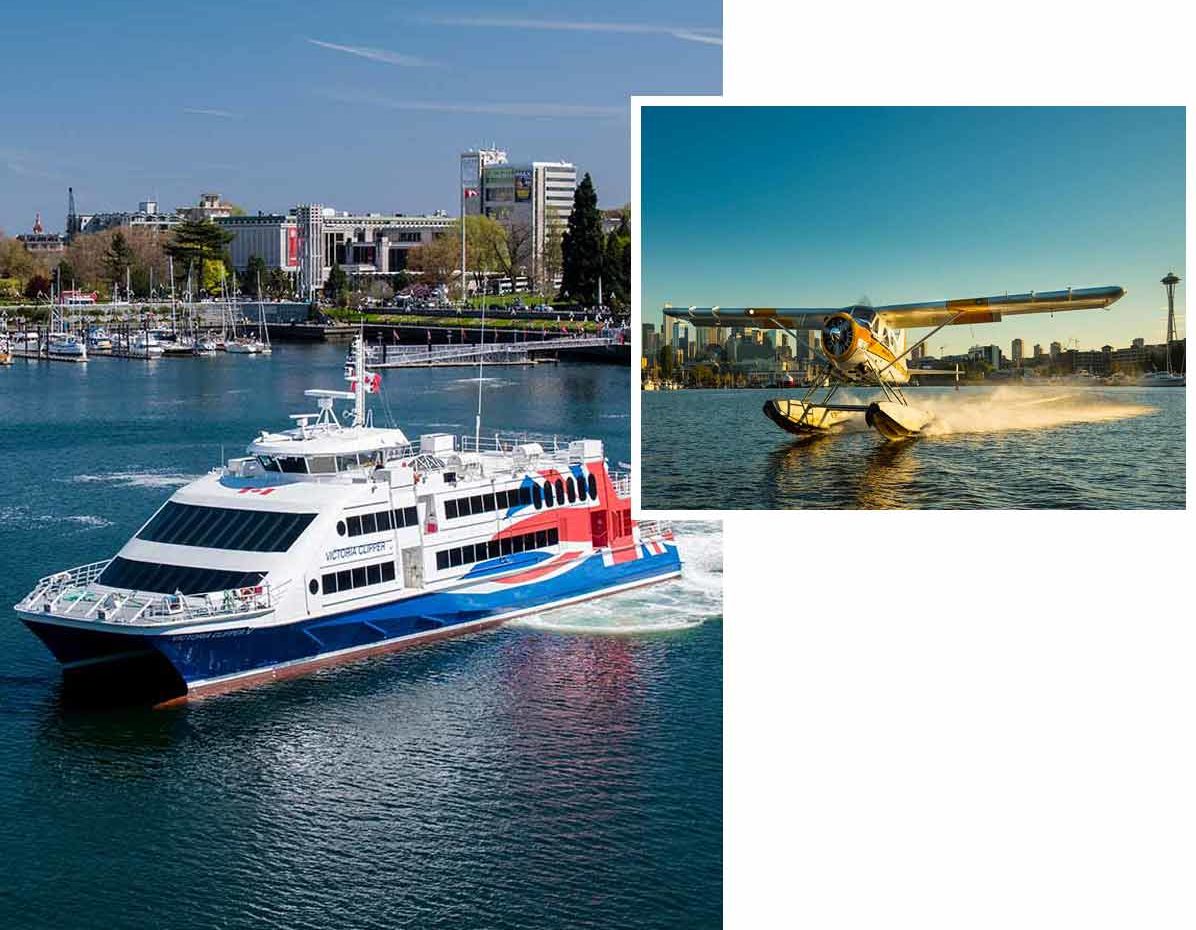

The easiest travel mistake is buying the attractive part first. A ferry crossing to Victoria looks simple on the booking screen: choose a date, select a seat, and picture the Inner Harbour. The trip is indeed straightforward for many passengers, but it remains scheduled international transportation. Documents, arrival time, baggage, parking, fare conditions, and the return plan can matter more than the photograph beside the “Book” button.
FRS Clipper’s direct route between downtown Seattle and downtown Victoria removes several common complications. It does not remove the need to read the details. This checklist is designed to catch the small mismatches that turn a promising weekend into an expensive rebooking.
Policies, schedules, and prices change. Use this as a planning framework, then verify every operational detail with FRS Clipper and the relevant government authorities before departure.
Confirm That the Route Fits the Actual Trip
The Victoria Clipper V is a passenger-only ferry. You do not drive your car aboard. That is ideal for a central Victoria visit and potentially awkward for a wider Vancouver Island itinerary.
Map every overnight stop before booking. If your hotel is near the Inner Harbour, the terminal location is a major advantage. If you plan to continue to a remote resort, trailhead, or community, determine how you will get there and whether a rental car is available at the needed time. Do not wait until arrival to discover that the final leg is longer or more expensive than expected.
Do the same on the Seattle side. Pier 69 is convenient from downtown, but morning traffic, transit frequency, and parking access can change the time required from your home or hotel. The ferry may be downtown-to-downtown without being door-to-door.
Verify Documents Before Buying a Restricted Fare
The route crosses the United States–Canada border. FRS Clipper lists passports, passport cards, Enhanced Driver Licenses, Enhanced IDs, and NEXUS credentials among accepted options in appropriate cases. Eligibility varies. A standard driver license is not the same thing as an Enhanced Driver License.
Check document expiration dates and condition. Confirm the rules for every traveler, including infants and children. If a minor travels with one parent or another adult, research the consent documents recommended by border authorities. Permanent residents, visa holders, and dual citizens may have requirements that a general carrier page cannot fully explain.
Complete this step before purchasing a fare with strict change or cancellation conditions. A nearly expired passport is easier to solve before the trip becomes nonrefundable.
Read the Schedule as a Fixed Appointment
FRS Clipper publishes sailings by date, and seasonal patterns change. Do not plan from an old blog post or a screenshot sent by a friend. Use the live schedule for both directions.
Record the required check-in time separately from the departure time. Add buffer for reaching Pier 69, parking, walking to the terminal, checking baggage, and border procedures. “The boat leaves at eight” does not mean arriving at 7:55 is reasonable.
On the return day, avoid an attraction or restaurant reservation that ends too close to check-in. A relaxed final afternoon is worth more than squeezing in one additional stop while watching the clock.
Price the Whole Booking
Start with the fare for the selected sailing, then add seat upgrades, taxes, port or security charges, parking, transit, baggage costs if applicable, and food onboard. If you are comparing a hotel package, note which hotel taxes are included and which transportation surcharges remain outside the advertised amount.
FRS Clipper’s package pages may display “from” prices or per-person figures based on double occupancy. Those numbers are useful for orientation, not budgeting. Continue far enough through the booking process to see the total for your dates and party without accidentally confirming payment.
Compare against realistic alternatives. Driving includes fuel, time, parking, and another ferry or a long land route. Flying includes airport transfers and security time. The Clipper’s strongest economic advantage may be eliminating a car rather than posting the lowest ticket price.
Understand the Fare Rules
A low fare is less valuable if a likely schedule change makes it unusable. Read the cancellation, change, and no-show provisions. Determine whether a modification changes only the fare difference or also adds a fee. If ferry and hotel are bundled, ask whether the entire package follows one policy.
Travel insurance is not automatically necessary, but it should be evaluated against nonrefundable exposure, health, weather season, and the importance of the event. Read what the policy excludes. “Trip protection” is a product with terms, not a magic refund button.
If the journey connects to a cruise, wedding, international flight, or prepaid tour, consider arriving a day earlier. No transport operator can eliminate all weather, mechanical, or border disruptions.
Choose Seats Deliberately
Economy, Vista, and Comfort serve different preferences. Economy keeps the cost down. Vista emphasizes upper-deck space and views. Comfort adds a private upper-deck cabin with upgraded seating and complimentary snacks and drinks under the current description.
Look at the seat map and total party cost. Do not buy an upgrade because the name sounds like the “correct” vacation choice. A daytime panoramic seat may be valuable; the same premium may matter less after dark. Groups should confirm they can sit together before paying.
Travelers with limited mobility, service animals, medical needs, or sensory concerns should contact the company directly. Ask about terminals, boarding, onboard movement, restrooms, and arrival—not only the seat itself.
Plan for Motion and Weather
A fast catamaran is still a vessel on open water. Check the forecast, but remember that conditions can differ from the city forecast. Pack a light layer even when Seattle feels warm. Outdoor deck access can be cooler and windier than expected.
If you are susceptible to motion sickness, prepare before boarding. Seat choice, a view of the horizon, food, hydration, and medication may all be relevant. Seek professional advice about medicines and timing rather than experimenting after symptoms begin.
Keep essentials in an accessible personal bag: documents, medication, phone charger, glasses, and anything needed during the crossing. Do not place a critical item in baggage you cannot reach.
Decide How to Reach Pier 69
FRS Clipper’s Seattle terminal is at 2701 Alaskan Way, Pier 69. The company lists nearby parking at the Bell Street Pier Garage and publishes directions, but parking rates, hours, access, and discount procedures can change.
If driving, verify the garage’s current hours and height limit, and understand how any Clipper parking coupon is obtained and used. Photograph where you parked. If using transit or rideshare, allow for waterfront construction, event traffic, and the possibility of a longer walk than the map suggests.
Travelers staying downtown may find walking simplest, but luggage changes what counts as a comfortable distance. Check the route’s grade and surfaces if mobility is a concern.
Build the Victoria Arrival Plan
The Victoria terminal is at 470 Belleville Street, close to the Inner Harbour. Save the hotel address offline and know whether early bag storage is available. International mobile roaming can fail at exactly the moment you need directions.
If you have booked a tour, confirm its meeting point and time zone. Seattle and Victoria share Pacific Time, but that fact should not encourage a tight connection. Border and baggage procedures continue after the vessel reaches the dock.
For a car-free stay, group nearby activities. Parliament, the harbor, downtown, and several attractions fit naturally together. The Butchart Gardens and other destinations outside the center require dedicated transport and more time.
Recheck Everything Two Days Before Travel
Open the live reservation and confirm passenger names, dates, direction, departure time, seat assignment, and terminal. Review the operator’s latest notices. Check border documents again. Download confirmations and take screenshots that remain available without service.
Check the weather and adjust clothing, but do not make assumptions about cancellation. Only official communication establishes a schedule change. Make sure the operator has a working email address and phone number for notifications.
Finally, tell someone your itinerary if traveling alone and keep the return plan visible. Good preparation should make the trip feel less administrative, not more.
The Tested Truth Verdict
FRS Clipper can be one of the cleanest ways to turn Seattle and Victoria into a single car-free itinerary. Its usefulness comes from terminal location and direct service, not from the absence of rules. Treat the sailing like international transportation, price the complete trip, and select extras only when they solve a real need.
The ten minutes spent checking documents, arrival time, fare terms, baggage, and onward transport can protect the entire weekend. Once those pieces fit, the ferry becomes what the advertising suggests: a scenic transition between two waterfront cities rather than another logistical puzzle.
Disclosure: This article contains an affiliate link. Tested Truth may earn a commission if you make a qualifying purchase, at no additional cost to you. Editorial judgments remain independent.