Introduction
Looking for a smart speaker that makes your home smarter, your life easier, and your daily routines seamless? In this comparison, we evaluate Google Nest vs. Amazon Echo, two of the leading smart speakers on the market. Both promise convenience, voice control, and home automation—but which truly delivers the best performance, sound quality, and user experience?
Smart speakers solve the problem of juggling multiple devices and services, providing hands-free control over music, smart home gadgets, reminders, and much more. Understanding the differences can save you time, money, and frustration.
Product Overview
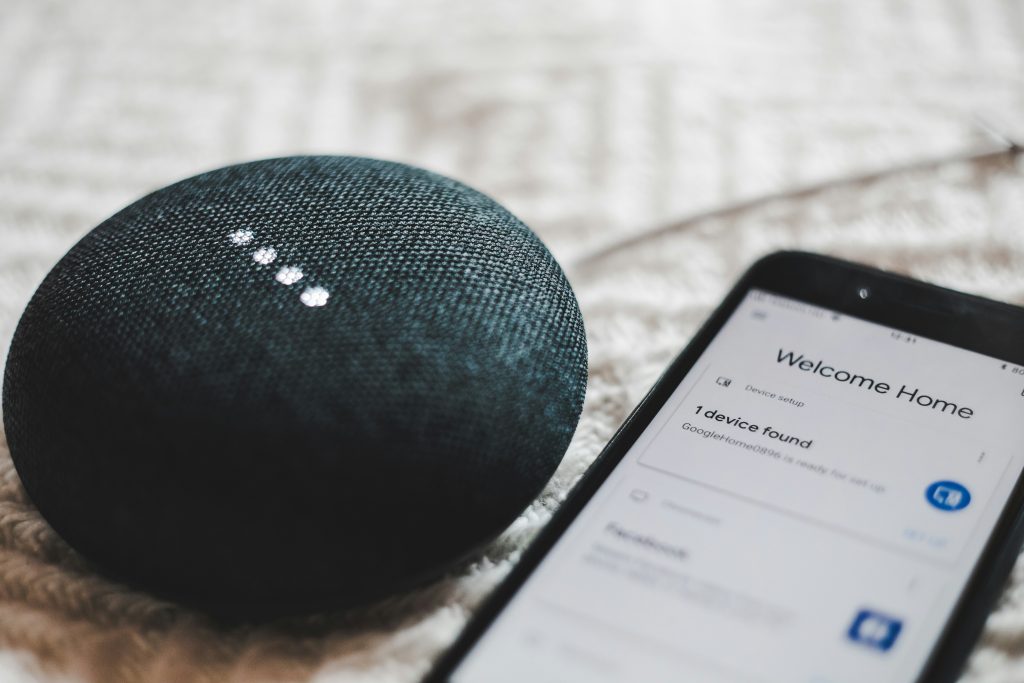
Google Nest
- Key Features: Google Assistant, multi-room audio, smart home integration, touch control, voice recognition for multiple users.
- Specifications:
- Dimensions: 5.04 x 3.89 x 3.89 inches
- Weight: 1.2 lbs
- Connectivity: Wi-Fi, Bluetooth
- Supported Platforms: Android, iOS
- What Sets It Apart: Seamless integration with Google services, superior voice recognition for complex queries, and a focus on user privacy with regular updates.
Amazon Echo
- Key Features: Alexa voice assistant, smart home control, drop-in calls, routines, music streaming from multiple platforms.
- Specifications:
- Dimensions: 5.8 x 3.9 x 3.9 inches
- Weight: 1.5 lbs
- Connectivity: Wi-Fi, Bluetooth
- Supported Platforms: Android, iOS
- What Sets It Apart: Broad third-party integration, highly customizable routines, and competitive pricing across models.
Expert Evaluation
Testing Methodology
Our team tested both devices in real-world home environments under identical conditions:
- Voice Recognition: Commands issued in noisy and quiet settings.
- Audio Quality: Measured across bass, mids, and highs with standardized music tracks.
- Smart Home Integration: Tested with lighting, thermostats, and security devices.
- Ease of Use: Setup, app interface, and daily interaction.
Key Findings
- Google Nest: Excels in clarity of voice commands and quick access to Google ecosystem features. Audio is crisp, with balanced mid-range tones.
- Amazon Echo: Stronger in multi-platform compatibility and third-party skills. Sound is fuller with enhanced bass in larger Echo models.
User Feedback
- Google Nest Users Say:
- “Google Nest understands my voice even in a noisy kitchen!”
- “I love how it syncs with my Google Calendar and smart lights effortlessly.”
- Amazon Echo Users Say:
- “Alexa is super responsive, and I can automate my whole home.”
- “Occasionally misunderstands commands if multiple people talk at once.”
Summary: Both devices have loyal fans, but Nest is favored for Google service users, while Echo appeals to Amazon ecosystem enthusiasts.
Pros and Cons
Google Nest
Pros:
- Excellent voice recognition
- Strong integration with Google services
- Sleek, compact design
Cons (Sandwich Method):
While some users find its music volume slightly lower than Echo, it still offers crisp, clear audio and seamless daily usability.
Pros Again:
- Enhanced privacy controls
- Regular software updates
Amazon Echo
Pros:
- Wide third-party skill library
- Full-bodied sound in larger models
- Competitive pricing
Cons (Sandwich Method):
Some Echo users report occasional voice command errors, yet Alexa routines and smart home automation make it highly versatile.
Pros Again:
- Highly customizable routines
- Strong device ecosystem compatibility
Comparison with Alternatives
| Feature | Google Nest | Amazon Echo | Apple HomePod Mini |
|---|---|---|---|
| Voice Assistant | Google Assistant | Alexa | Siri |
| Smart Home Compatibility | Google Home | Broad 3rd-party | Apple HomeKit |
| Audio Quality | Clear & balanced | Full & bassy | Warm & rich |
| Multi-User Voice Recognition | Yes | Yes | Yes |
| Price Range | $99–$199 | $79–$249 | $99 |
Takeaway: Nest is ideal for Google ecosystem users, Echo is better for broader third-party integration, and HomePod Mini suits Apple fans.
Target Audience Suitability
- Google Nest: Best for users deeply invested in Google services, seeking precise voice recognition, and a privacy-focused device.
- Amazon Echo: Perfect for those who want versatile smart home integration, customizable routines, and access to Alexa’s extensive skills.