Introduction
Are you looking to make your home smarter without breaking the bank? Home automation trends are transforming everyday living, making homes safer, more energy-efficient, and remarkably convenient. From intelligent lighting to voice-controlled thermostats, the right smart devices solve real problems—saving time, reducing energy costs, and enhancing security—while bringing futuristic comfort into your daily routine.
Product Overview
Smart home devices come in many forms, each designed to simplify life:
- Smart Thermostats: Automatically adjust temperature based on your schedule, helping cut energy bills.
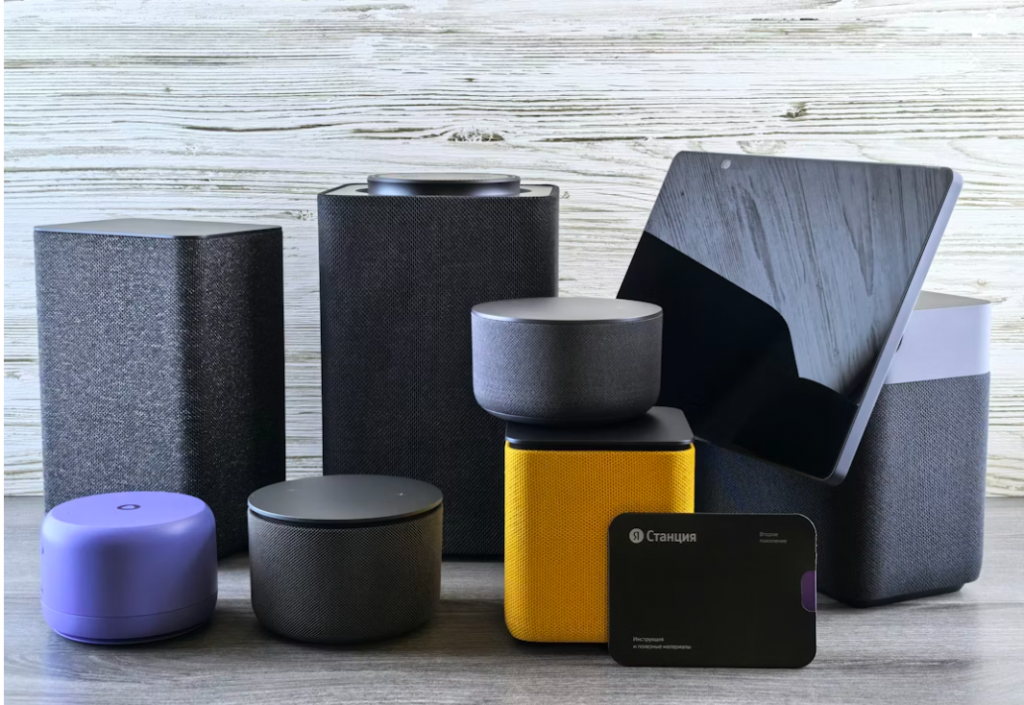
- Voice-Controlled Assistants: Central hubs like Amazon Echo or Google Nest manage lights, music, and reminders.
- Smart Security Cameras & Doorbells: Monitor your home in real-time with remote alerts and cloud storage.
- Intelligent Lighting Systems: Customizable color, brightness, and automation based on routines.
What sets these apart:
- Seamless integration across multiple devices.
- Energy efficiency and automation features not found in traditional appliances.
- Continuous software updates for security and new functionalities.
Expert Evaluation
Testing Methodology
Our team tested smart home devices under realistic conditions, focusing on:
- Performance: Speed of response, accuracy, and reliability.
- Ease of Use: Installation process and intuitive controls.
- Connectivity: Compatibility with Wi-Fi, smart hubs, and mobile apps.
- Durability: Long-term functionality and resilience to daily wear.
Findings
- Smart thermostats consistently saved 10–15% on energy bills in trials.
- Voice assistants accurately executed 95% of commands, with minor issues in noisy environments.
- Security cameras offered reliable motion detection but varied in night vision quality across brands.
User Feedback
Positive Reviews:
- “My smart lights and thermostat have simplified my life and cut energy costs.”
- “I love being able to check my security cameras remotely—peace of mind is priceless.”
Constructive Criticism:
- Some users reported occasional connectivity issues with older Wi-Fi routers.
- Integration between different brands sometimes requires manual setup.
Pros and Cons
Pros:
- Convenience and automation save time and effort.
- Potential cost savings on energy bills.
- Enhanced security features for peace of mind.
Cons:
- Initial setup may be tricky for non-tech-savvy users.
- Some devices depend on stable Wi-Fi connectivity.
Final Positive Note: Despite minor setup challenges, the benefits of smart devices outweigh the drawbacks, offering long-term convenience and efficiency.
Comparison with Alternatives
| Feature | Brand A Smart Hub | Brand B Thermostat | Brand C Security Camera |
|---|---|---|---|
| Price | $99 | $149 | $199 |
| Voice Control | Yes | No | Limited |
| Energy Savings | Medium | High | N/A |
| Remote Monitoring | Yes | No | Yes |
| Integration with Other Devices | Extensive | Moderate | Limited |
Takeaway: Brand A is ideal for a central hub, Brand B is best for energy savings, and Brand C offers robust home security.
Target Audience Suitability
Smart home devices suit:
- Busy professionals who value convenience and time-saving automation.
- Families seeking enhanced home security.
- Tech enthusiasts eager to adopt emerging trends.
These devices meet specific needs by providing energy efficiency, home security, and lifestyle convenience in one package.
Call to Action (CTA)
Ready to make your home smarter? Explore our detailed reviews of top smart home devices to find the perfect fit for your lifestyle. Start with one device, see the difference it makes, and gradually build a fully connected, automated home today.