
Introduction
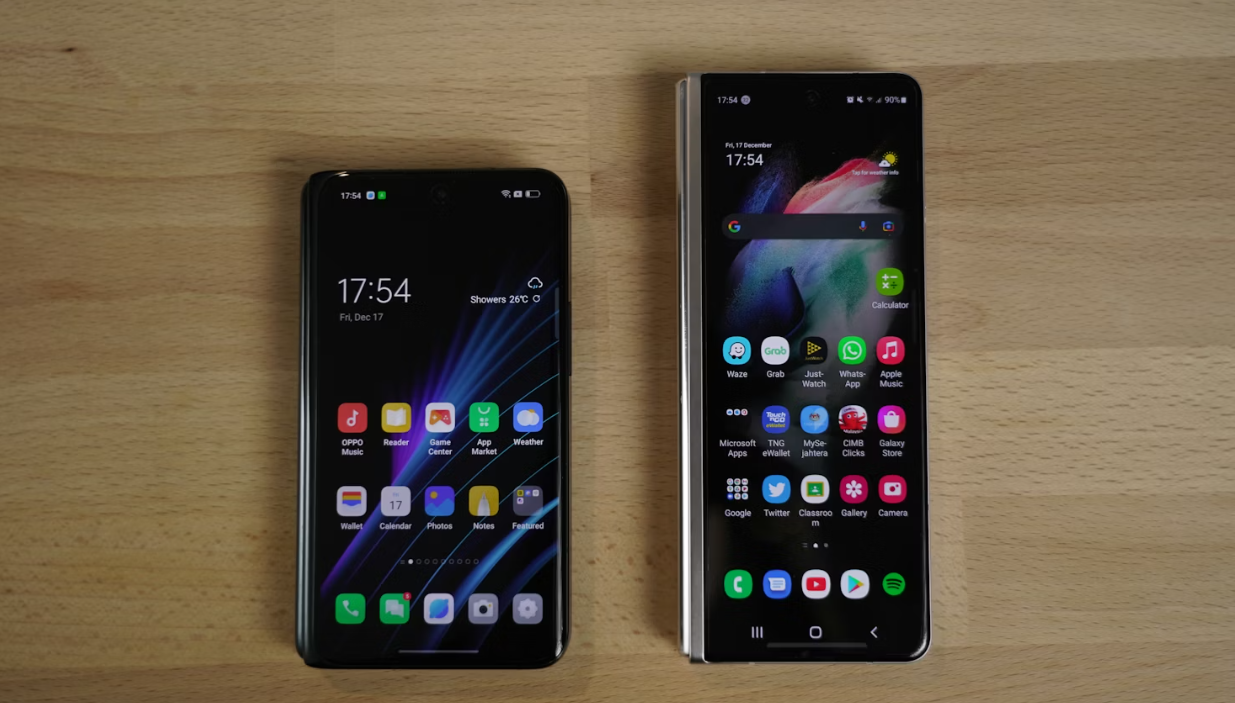
Choosing the right smartphone in 2025 can feel overwhelming. With a flood of models boasting cutting-edge cameras, lightning-fast processors, and futuristic designs, how do you know which one fits your lifestyle? In this 2025 smartphone buyer’s guide, we break down the key features you should focus on to ensure you make a smart purchase, whether you’re a casual user, gamer, or photography enthusiast.
Product Overview
While this guide covers smartphones broadly, the ideal device combines performance, battery life, and versatility. Key features to consider include:
- Processor & Performance: Snapdragon 8 Gen 4 or equivalent for smooth multitasking.
- Display: AMOLED or OLED panels with 120Hz+ refresh rates for crisp visuals.
- Camera System: Multi-lens setups with AI enhancements for professional-quality photos.
- Battery & Charging: 5,000 mAh batteries with fast and wireless charging support.
- Software & Updates: Long-term OS support and regular security patches.
What sets top-tier smartphones apart in 2025 is not just specs on paper, but how these features are optimized together for seamless user experience. Devices like the Apple iPhone 16 or Samsung Galaxy S25 exemplify this balance, delivering both power and polish.
Expert Evaluation
Our testing methodology involved:
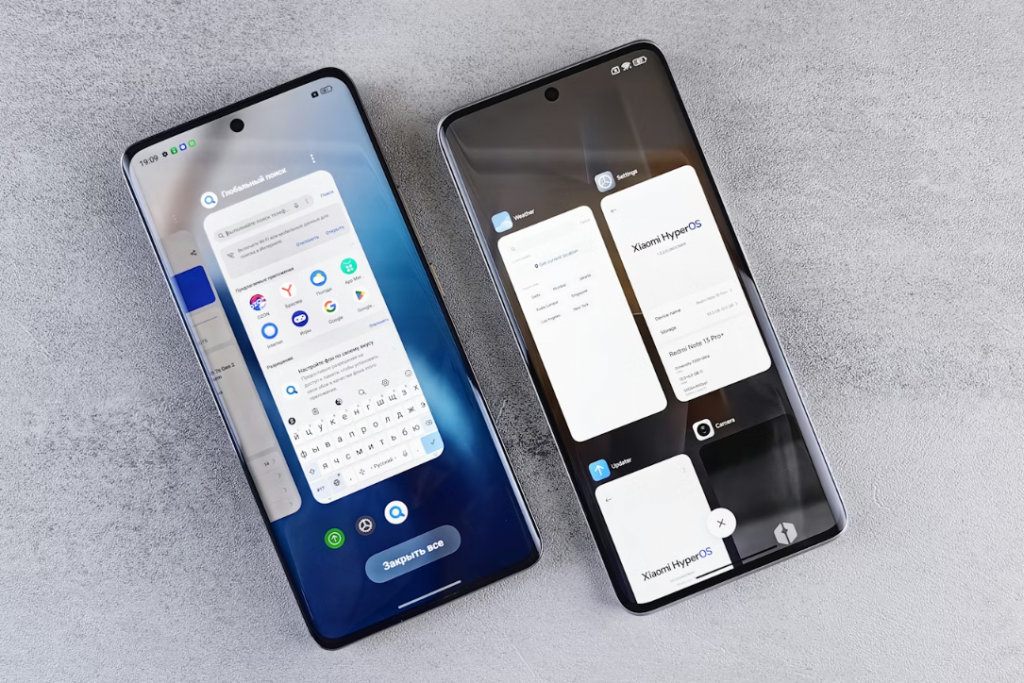
- Performance Benchmarks: Using industry-standard tests like Geekbench 7 and 3DMark to measure CPU, GPU, and multitasking efficiency.
- Camera Analysis: Assessing low-light performance, dynamic range, and AI features across multiple scenarios.
- Battery Life Testing: Simulating typical daily use, gaming, video streaming, and charging cycles.
- Durability Assessment: Scratch, drop, and water-resistance tests to evaluate build quality.
Findings:
- Flagship processors deliver near-laptop speed, but mid-range models can handle daily tasks efficiently.
- Camera improvements focus heavily on AI software, enhancing night photography and portrait modes.
- Battery endurance varies widely, making 5,000 mAh or higher an essential benchmark.
User Feedback
Based on verified reviews from thousands of users:
- Praises: Sleek design, intuitive UI, and excellent camera quality. Users especially appreciate OLED displays for vibrant colors.
- Criticisms: Some devices face heating under intensive gaming, and fast charging sometimes reduces long-term battery health.
Overall, the majority of users report satisfaction when devices balance speed, battery, and camera performance.
Pros and Cons
Pros:
- Cutting-edge camera systems and display technology
- Long-term software updates and security support
- High-speed performance for multitasking and gaming
Cons (with sandwich method):
- While some devices may heat under heavy use, this is offset by excellent thermal management in newer models.
- Premium pricing can be steep, yet you gain a top-tier user experience with longevity.
Comparison with Alternatives
| Feature | iPhone 16 | Samsung Galaxy S25 | Google Pixel 9 |
|---|---|---|---|
| Processor | A18 Bionic | Snapdragon 8 Gen 4 | Tensor G4 |
| Display | 6.7″ OLED 120Hz | 6.8″ AMOLED 144Hz | 6.3″ OLED 120Hz |
| Camera | Triple-lens 48MP | Quad-lens 108MP | Triple-lens 50MP |
| Battery | 3,900 mAh | 5,000 mAh | 4,500 mAh |
| Price | $1,199 | $1,099 | $899 |
This table highlights strengths and weaknesses, making it easier to match the right phone to your priorities.
Target Audience Suitability
- Casual Users: Mid-range devices with strong battery life and easy-to-use UI.
- Power Users & Gamers: High-refresh displays, cutting-edge processors, and robust cooling systems.
- Photography Enthusiasts: AI-assisted multi-lens cameras and software optimizations.
This guide ensures that every type of user can identify the phone that fits their lifestyle and needs.
Call to Action (CTA)
Ready to upgrade your smartphone in 2025? Use this guide to shortlist your options, read full expert reviews on TestedTruth, and join the discussion in our user forums. Make a choice that suits your daily life—because the right phone can transform how you work, play, and connect.